In response to the rapidly changing global geopolitical landscape and the significant challenges posed by technological advancements, the Tang Prize Foundation has released the report titled "Tang Prize Perspectives on a Changing World" today, the 30th. This report analyzes the significant research contributions made by the Tang Prize Laureates across six cohorts (see Appendix 1) and identifies the Ten Pressing Global Issues for 2026 across the Prize's four categories: Sustainable Development, Biopharmaceutical Science, Sinology, and Rule of Law (see Appendix 2). The Foundation also announced that the 2026 Tang Prize Laureates will be revealed in mid-June.
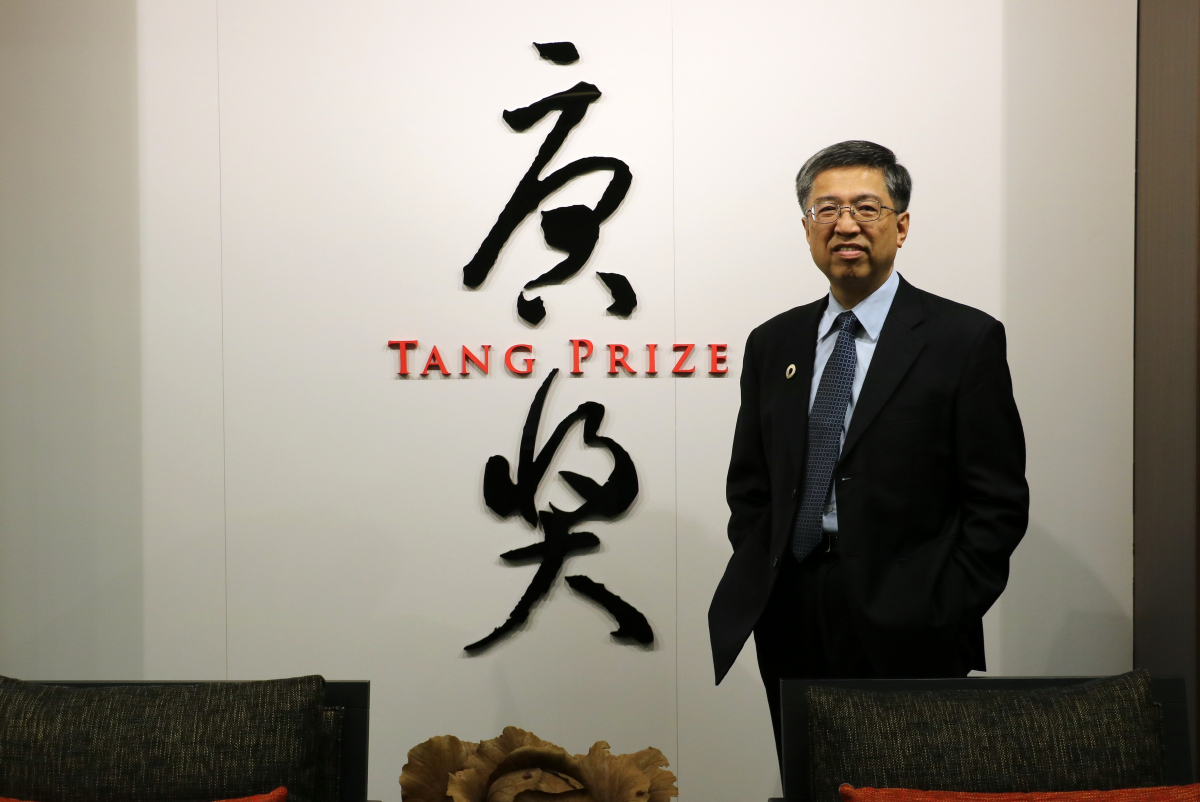
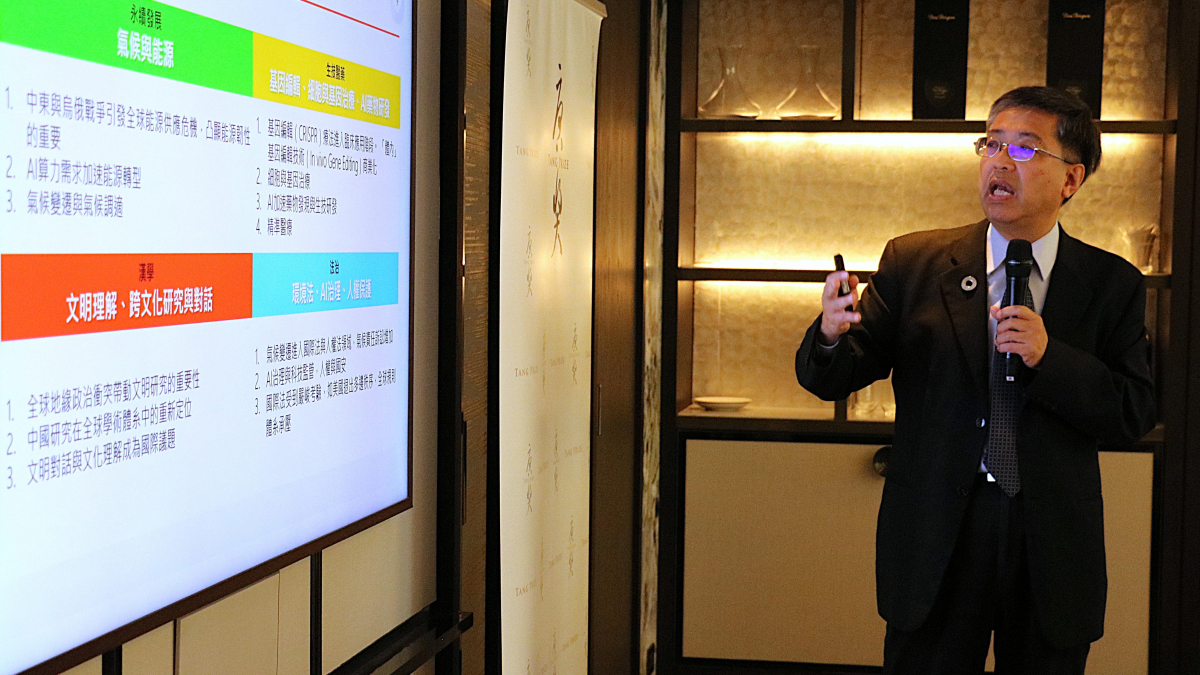
Dr. Jenn-Chuan Chern, CEO of the Tang Prize Foundation, noted that ongoing conflicts in the Middle East and the Russo-Ukrainian War continue to disrupt global energy supplies, highlighting the critical importance of energy resilience. At the same time, the rapid advancement of AI technology is speeding up drug discovery and biotech innovation, while also creating an urgent need for effective AI governance. Paradoxically, the high energy demands associated with AI introduce new challenges for the global energy transition. Additionally, the increasing frequency of extreme weather events has made issues like climate mitigation, adaptation, and climate justice more urgent than ever. Addressing these complex global problems requires the collective wisdom of humanity and interdisciplinary knowledge.
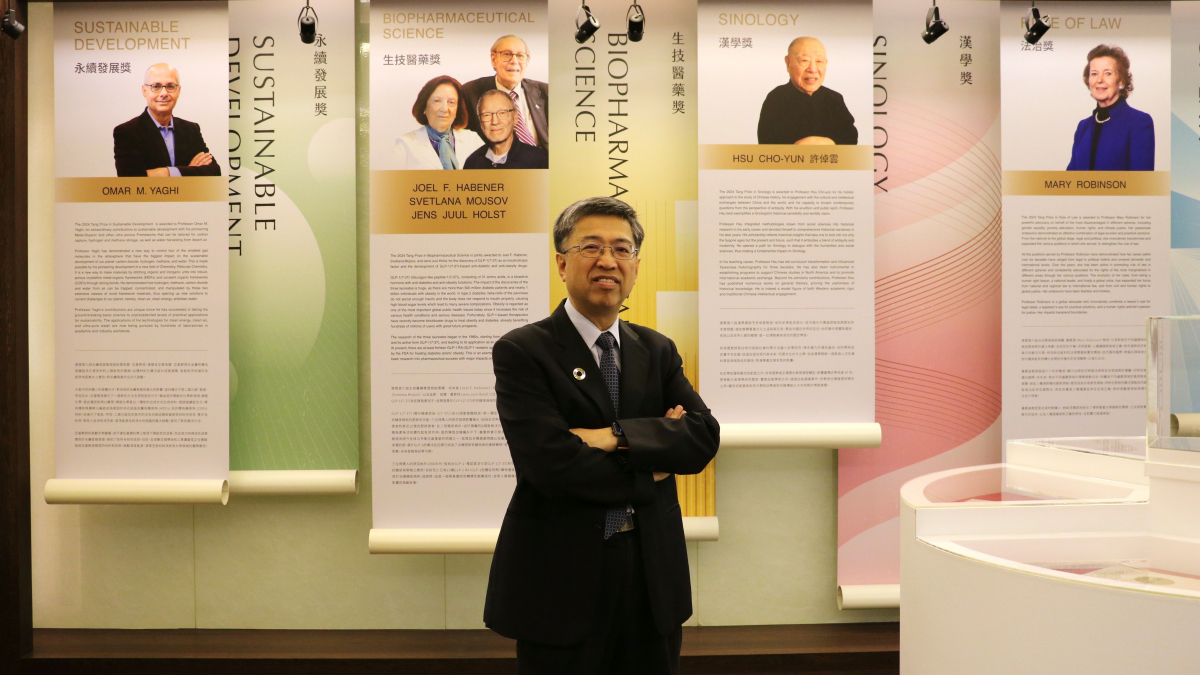
Established to respond to the major challenges of the 21st century, the Tang Prize Selection Committee has spent 14 years spotlighting frontier research. Over the past six award cycles, 39 laureates (including three NGOs) have been recognized for their innovative research and substantial impact on global progress.
Dr. Chern emphasized that the core issues facing the world in 2026 are highly resonant with the research fields of past Tang Prize Laureates. In Sustainable Development, climate and energy remain paramount. In Biopharmaceutical Science, technologies such as gene editing, cell and gene therapy, and AI-driven drug discovery are advancing at an unprecedented pace.
For instance, 2016 laureate Feng Zhang, recognized for his work on CRISPR-Cas9, leads an MIT team that recently discovered a vaccine technology combining mRNA with lipid nanoparticles (LNPs), which holds promise for reversing age-related immune decline. Additionally, 2014 laureate Tasuku Honjo, honored for his discovery of PD-1 in cancer immunotherapy, has initiated Phase I clinical trials in Australia for ME3241. This therapy aims to enhance PD-1 agonist activity and may eventually be used to treat inflammatory and autoimmune diseases caused by overactive immune responses.
In an era of intensifying civilizational divides and international confrontation, deepening cultural understanding and “knowledge translation” are seen as vital pathways to de-escalating conflict. Amidst geopolitical tensions, Sinology provides a crucial framework for understanding Chinese and East Asian civilizations. The academic achievements of past Tang Prize Laureates in Sinology have laid a foundation for cross-cultural dialogue. In the field of Rule of Law, institutional integrity and justice remain the bedrocks of social and international order. As the climate crisis, AI development, and geopolitical conflicts worsen, global governance faces new challenges in environmental law, AI regulation, international law and human rights protection.
The world is eagerly anticipating the new insights and solutions that the seventh cohort of laureates will provide. The Tang Prize Foundation will announce the 2026 Tang Prize Laureates from June 15 to June 18, unveiling the winners in each category—Sustainable Development, Biopharmaceutical Science, Sinology, and Rule of Law on consecutive days.
Appendix 1: Review of Past Laureates' Contributions to the World
|
Sustainable Development |
Biopharmaceutical Science |
|
|
|
Sinology |
Rule of Law |
|
1. Constitutionalism 2. Comparative Constitutional Law 3. International Criminal Law 4. Legal Philosophy 5. NGO rule of law practice 6. Human rights protection 7. Climate Justice 8. International Law
|
Appendix 2: The Ten Most Pressing Global Issues of 2026
|
1. Global Energy Security and Energy Transition: Geopolitical conflicts and unstable energy supplies are driving nations to accelerate the energy transition and enhance energy resilience. 2. Energy Demands in the AI Era and Low-Carbon Technologies: The rapid development of artificial intelligence is generating enormous energy demands, making low-carbon energy and high-efficiency computing technologies critical. 3. Climate Change and Adaptation – Toward Climate Justice and Governance: Developing institutional frameworks to address emission reduction and the equitable management of extreme weather impacts. 4. Clinical Translation of Gene Editing: CRISPR and other gene-editing therapies transitioning into clinical use, offering new hope for rare and genetic disorders. 5. Medical Breakthroughs in Cell and Gene Therapy: Cell and gene therapy technologies continue to achieve breakthroughs, driving innovation in cancer and immune disease treatment. 6. AI Governance and Tech Regulation: Developing ethical standards and global governance to manage the rapid evolution of AI. 7. AI-Driven Drug Discovery and Precision Medicine: Leveraging AI to accelerate drug discovery and clinical decision-making, ushering in the era of precision medicine. 8. Chronic Disease and Public Health Policy: Adapting medical systems to handle the rising burden of aging populations and chronic illnesses. 9. Civilizational Understanding Amid Geopolitics: Prioritizing cross-cultural dialogue and deep understanding to mitigate international tensions. 10. Armed Conflicts & Democratic Resilience: Strengthening democracy and human rights protection amidst escalating geopolitical conflicts. |
About the Tang Prize
Since the advent of globalization, mankind has been able to enjoy the convenience brought forth by the advancement of human civilization and science. Yet a multitude of challenges, such as climate change, the emergence of new infectious diseases, the widening wealth gap, and moral degradation, have surfaced along the way. Against this backdrop, Dr. Samuel Yin established the Tang Prize in December 2012. It consists of four award categories, namely Sustainable Development, Biopharmaceutical Science, Sinology, and Rule of Law. Every other year, four independent and professional selection committees, comprising many internationally ren owned experts, scholars, and Nobel laureates, choose Tang Prize laureates who have made substantive contributions and a far-reaching impact on the world, regardless of ethnicity, nationality, or gender. A cash prize of NT$50 million (approx. US$1.7 million) is allocated to each category, with NT$10 million (approx. US$0.35 million) of it being a grant intended for research or educational outreach programs to encourage professionals in every field to examine mankind's most urgent needs in the 21st century, and become leading forces in the sustainable development of human society through their outstanding research outcomes and active civic engagement.