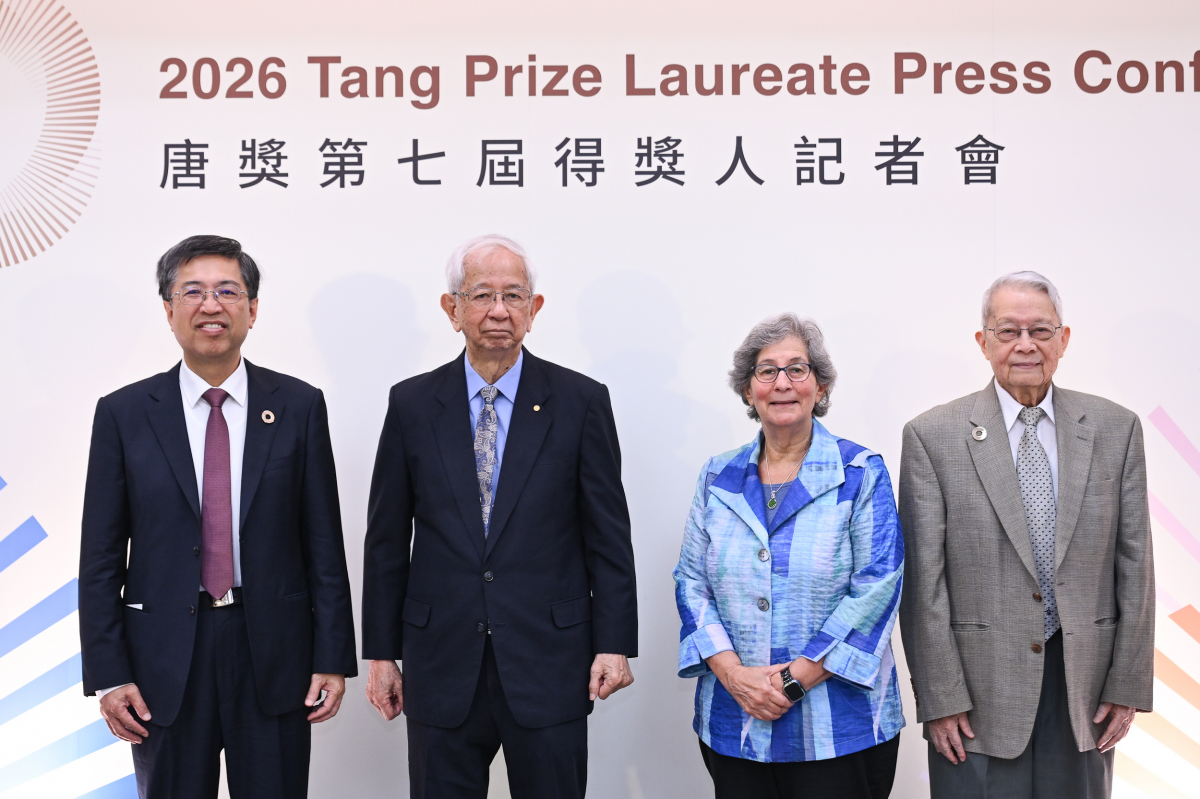
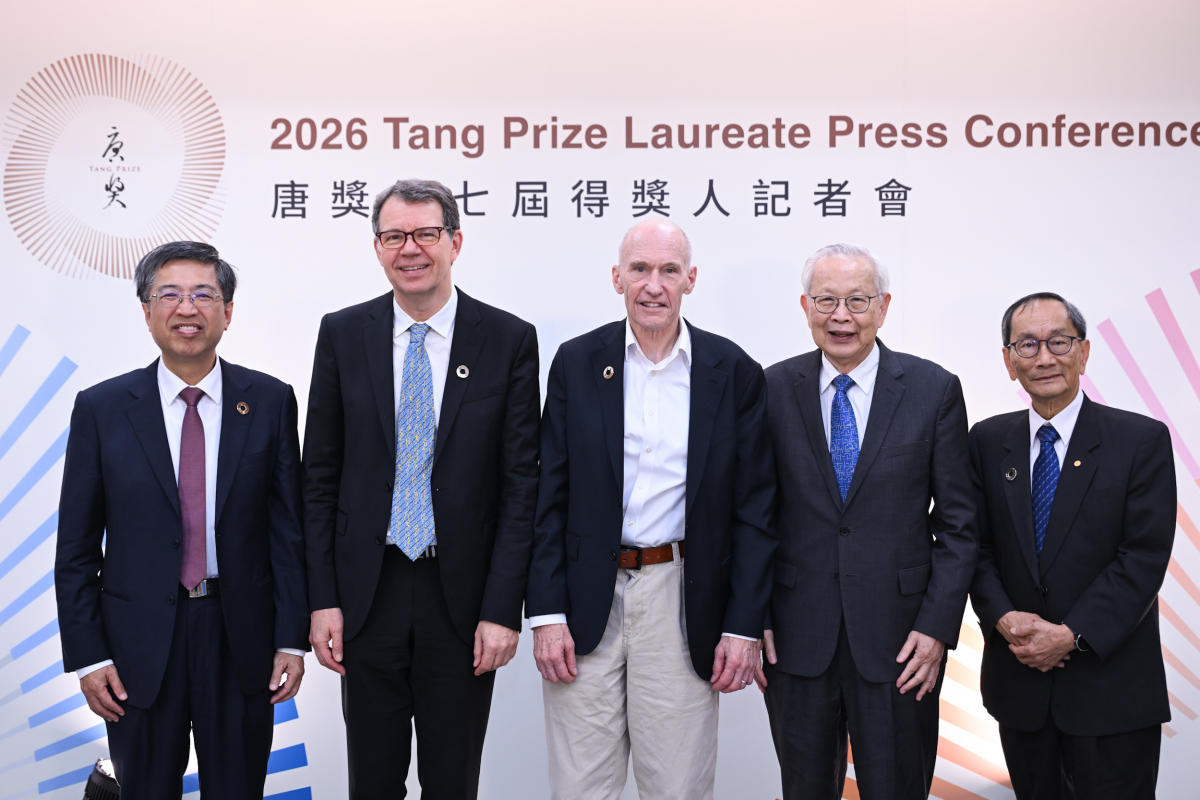
The 2026 Tang Prize Laureate Lectures took place today (September 19) at Taipei Bioinnovation Park, drawing more than 300 attendees to each session while audiences around the world joined via livestream to hear six laureates share major achievements from lifetimes of research and practice. Across four sessions spanning Sustainable Development, Rule of Law, Biopharmaceutical Science, and Sinology, the laureates examined how science and policy have helped put the ozone layer on a path to recovery, the challenges democracy faces in the internet age, the transformation of human immune cells into “living drugs” against disease, and how widening the lens of history can reveal new meanings. Together, their talks showed how knowledge can move from research into practice and open new possibilities for society.
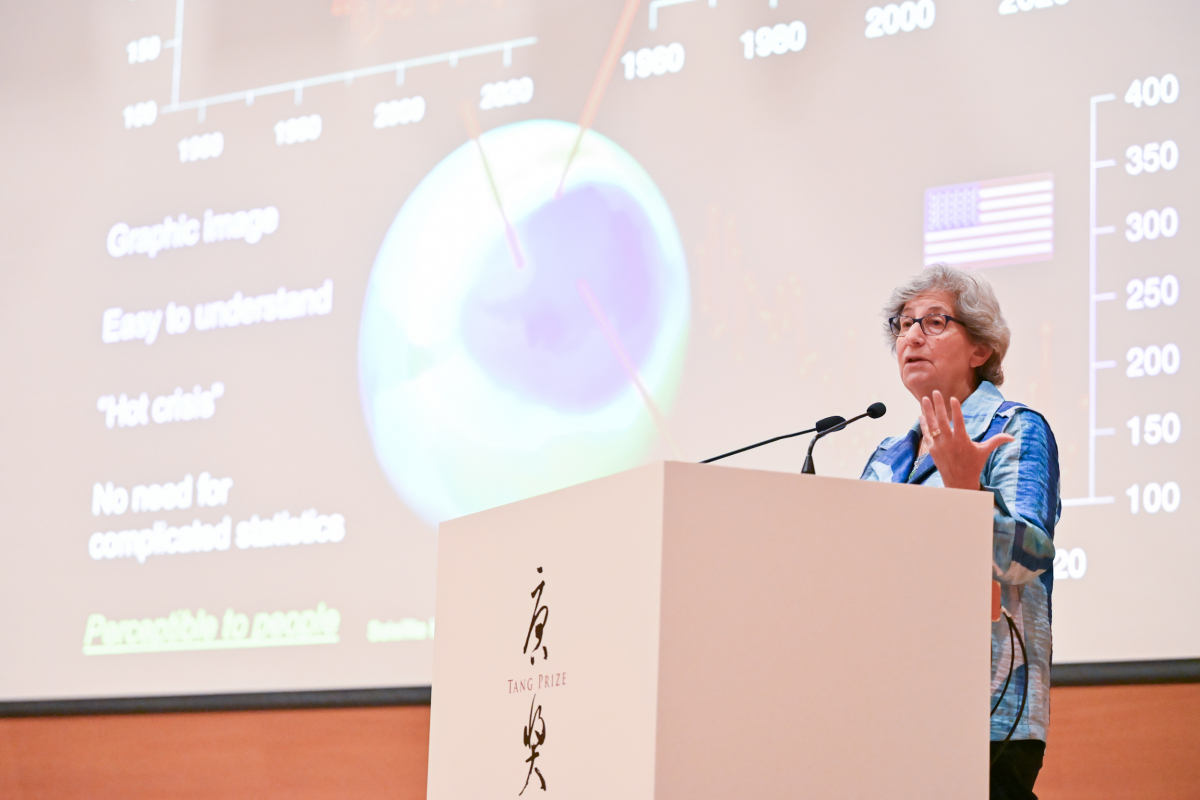
The day opened with Professor Susan Solomon, Tang Prize laureate in Sustainable Development, whose lecture, “The Antarctic Ozone Hole: A Global Success Story of Science and Policy,” revisited the discovery of a massive hole in the Antarctic ozone layer that shocked the world in 1985. She traced how scientific discoveries revealed the chemistry that can deplete Earth’s ozone layer—our planet’s essential “sunscreen,” protecting all life against damaging ultraviolet light from the sun. As the scientific evidence accumulated, the world came together through an international process that has now effectively phased out the production of ozone-depleting chemicals. There is now evidence that the ozone layer is slowly beginning to heal, making this a powerful example of science and international policy working together to confront a global environmental crisis.
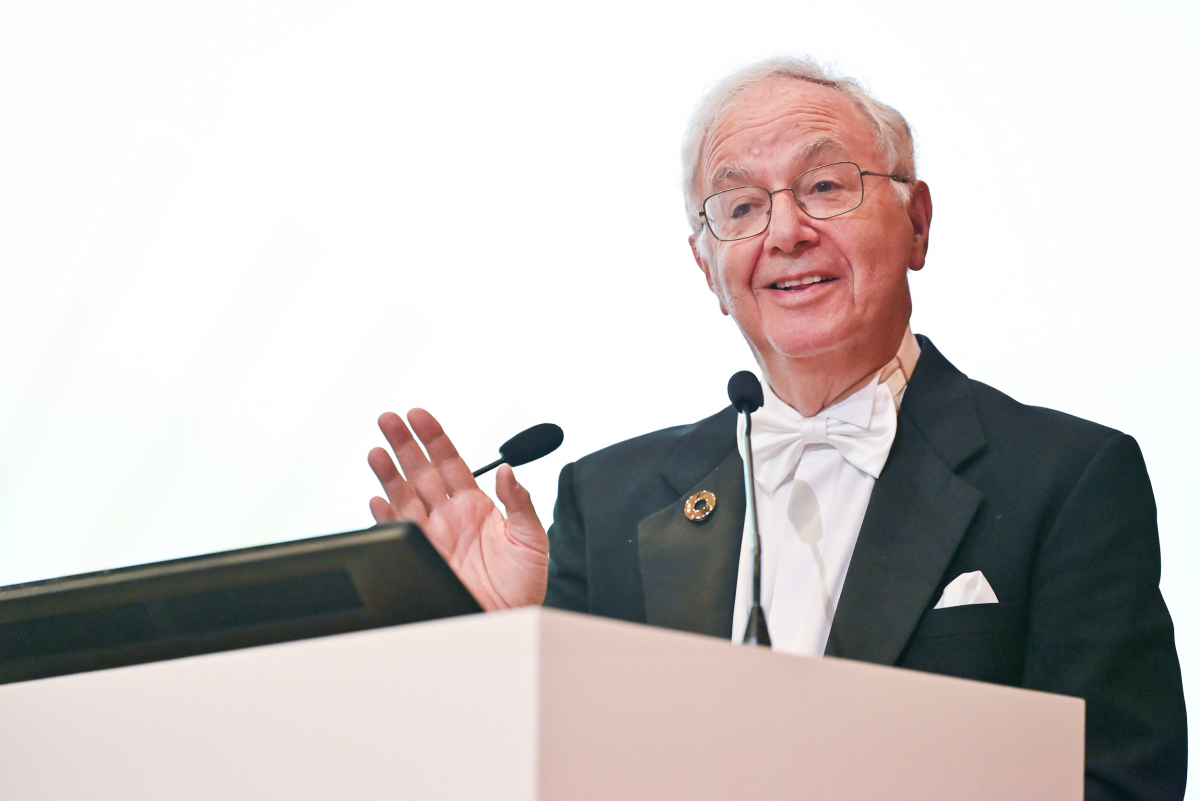
Professor Bruce Ackerman, Tang Prize laureate in Rule of Law, speaking on “Reconstructing Postmodern Citizenship,” examined the challenges democracy faces in the internet age. He argued that the internet enables demagogues to bombard vast audiences with exaggerations and misrepresentations, while influencing voters through carefully crafted brief soundbites—giving rise to what he calls “sound-bite democracy.” Against the backdrop of today’s constitutional crisis, Professor Ackerman revisited “Deliberation Day,” the proposal he developed with Professor James S. Fishkin for a national holiday before elections that would give voters an opportunity to discuss key issues and “think before they vote.” He then turned to the political realities of the present and explored the practical reforms needed to reinvigorate deliberative democracy in the twenty-first century.
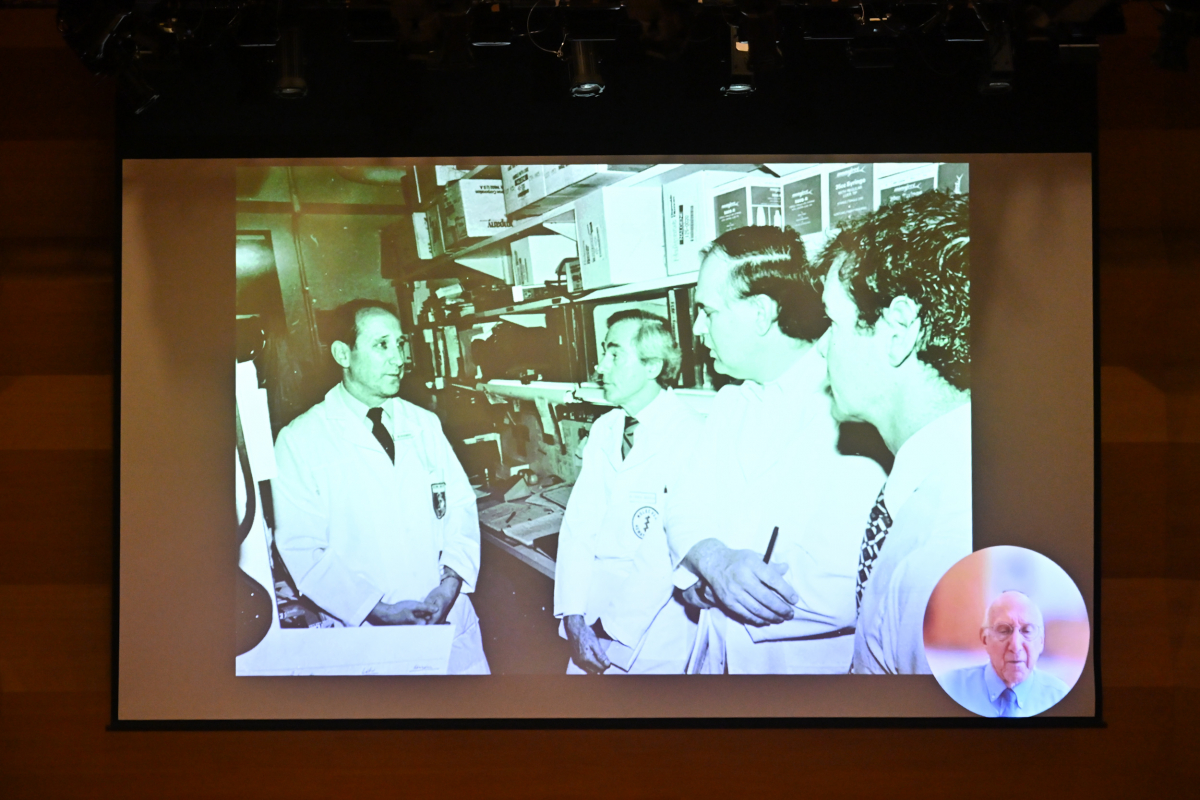
In the afternoon, the three Tang Prize laureates in Biopharmaceutical Science traced different paths toward the realization and application of “living drugs”—therapies that harness human immune cells to fight disease. Dr. Steven A. Rosenberg reviewed the development of lymphocytes as a “living drug” for cancer immunotherapy. His team identified tumor-infiltrating lymphocytes (TILs) from melanoma patients that could recognize the tumor, expanded them in the laboratory, and reintroduced them into patients. The approach produced tumor regression in 56% of patients, with 25% achieving durable complete regressions; many responses have lasted for more than 15 years. His current research is exploring how tumor neoantigens unique to individual patients can be targeted to extend T-cell therapy to a wider range of solid tumors.
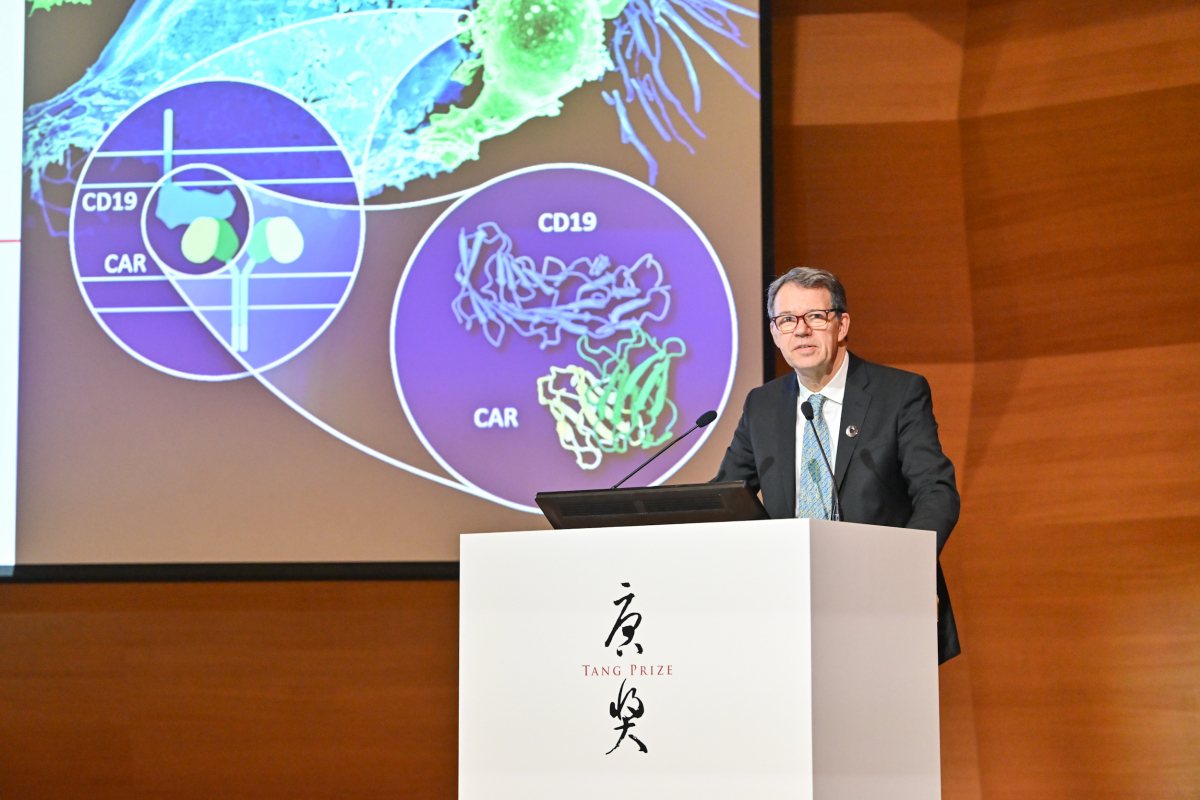
Dr. Michel Sadelain focused on the development and future of CAR T cells. His pioneering incorporation of the CD28 costimulatory domain into chimeric antigen receptors (CARs) helped lay a key foundation for CAR T-cell therapy and establish CD19 as a major therapeutic target in B-cell hematological malignancies. The first CARs to target CD19 have already changed the standard of care for several hematological malignancies and are poised to be similarly impactful in autoimmunity and organ transplantation, further expanding the possibilities of “living drugs.”
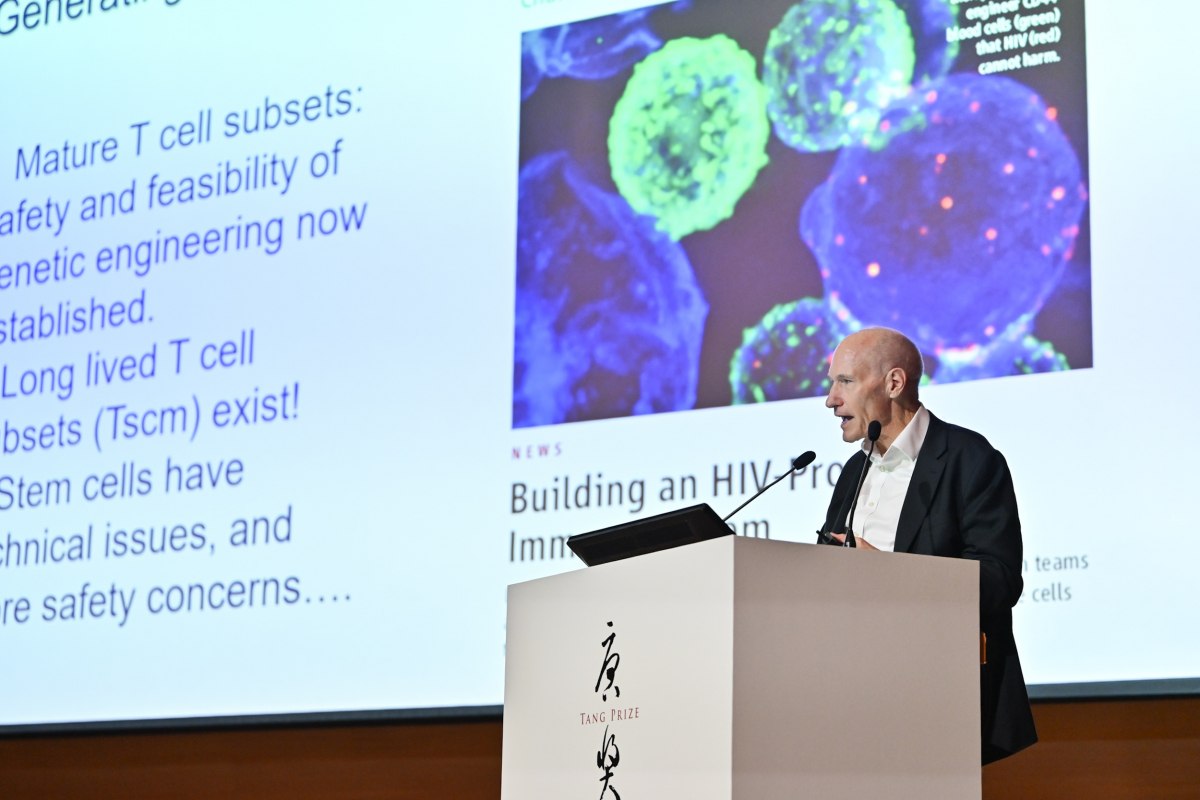
Dr. Carl H. June traced the long journey of CAR T cells “from HIV to cancer to autoimmunity.” Early efforts to combat HIV/AIDS with first-generation CAR T cells faced technical hurdles but yielded foundational insights into T-cell costimulation, synthetic signaling architecture, and long-term cell persistence. Those lessons were later brought into oncology, where second-generation CAR T cells achieved unprecedented, durable remissions in patients with refractory hematological malignancies. Today, the field is moving beyond cancer toward severe autoimmune diseases such as systemic lupus erythematosus (SLE), opening new therapeutic frontiers for cellular therapy.
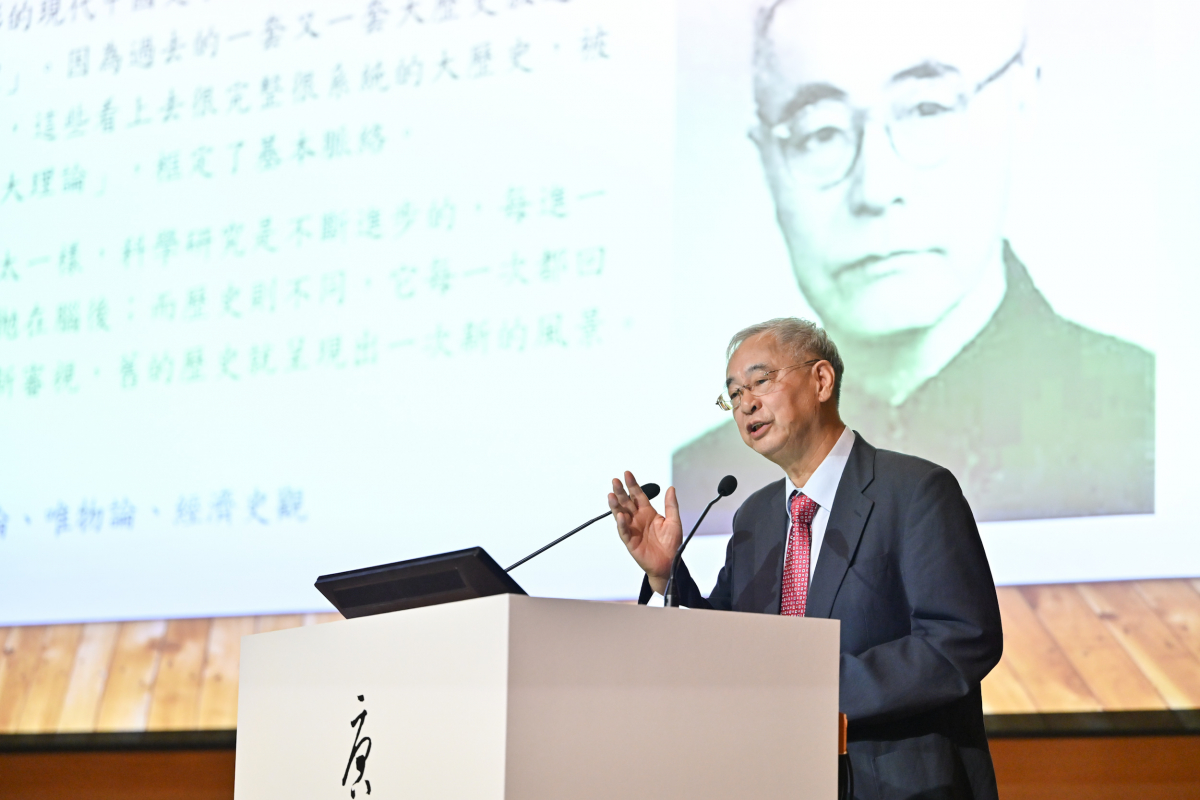
Closing the day, Tang Prize laureate in Sinology Professor Ge Zhaoguang, in “Expand Your Historical Horizons: Macro-History and Critical Junctures,” asked what makes a historical question meaningful amid the vast body of historical sources—and what kind of scholarship can change how we understand history. He argued that without the breadth of vision to see the larger sweep of history and the sensitivity to grasp its critical junctures, it is difficult to discern history’s defining features and trajectories. “Once we broaden our view from the outset, shift our angle of vision, and look again, the history we thought we knew reveals a new landscape,” he said.
Ge illustrated the point through three cases: the interfaith debates among Eastern and Western traditions, Chen Yinke’s historical judgments on traditional Chinese political culture, and the Ming expedition to Annam. The last example, he noted, takes on different meanings depending on whether it is viewed through the lens of Chinese history, Sino-Vietnamese relations, Asian history, or global history. By widening our historical horizons, viewing history on a macro scale, and identifying critical junctures, he argued, the historical landscape before us changes accordingly.
Note: Livestream (original audio): https://youtube.com/live/NmVspqsoe8s?feature=share
(Chinese interpretation): https://youtube.com/live/gp97L3Zk-b0?feature=share
About the Tang Prize
Since the advent of globalization, humanity has enjoyed unprecedented benefits from advances in civilization and science. Yet a multitude of challenges, such as climate change, the emergence of new infectious diseases, the widening wealth gap, and moral degradation, have surfaced along the way. Against this backdrop, Dr. Samuel Yin established the Tang Prize in December 2012. It consists of four award categories: Sustainable Development, Biopharmaceutical Science, Sinology, and Rule of Law. Every two years, four independent and professional selection committees, comprising many internationally renowned experts, scholars, and Nobel laureates, choose Tang Prize laureates who have made substantive contributions and generated a far-reaching impact on the world, regardless of race, nationality, gender, or religion. A cash prize of NT$50 million (approximately US$1.6 million) is allocated to each category, with NT$10 million (approximately US$320,000) of it being a grant intended for research or educational outreach programs to encourage professionals in every field to examine mankind's most urgent needs in the 21st century, and become leading forces in the sustainable development of human society through their outstanding research outcomes and active civic engagement.