Following the successful conclusion of 2026 Tang Prize Week, the Tang Prize Exhibition is making its next stop in Kaohsiung after drawing large crowds and receiving an enthusiastic response during its two-month run at the National Chiang Kai-shek Memorial Hall in Taipei. The exhibition opens today, November 6, at the National Science and Technology Museum and will remain on view through November 3, 2028. During Tang Prize Week in September, 2026 Sustainable Development laureate Professor Susan Solomon visited the museum and took part in a Youth Symposium with students in Kaohsiung, generating considerable local enthusiasm for science. Now, the exhibition offers audiences in southern Taiwan an opportunity to discover the remarkable contributions and inspiring work of Tang Prize laureates across the years.
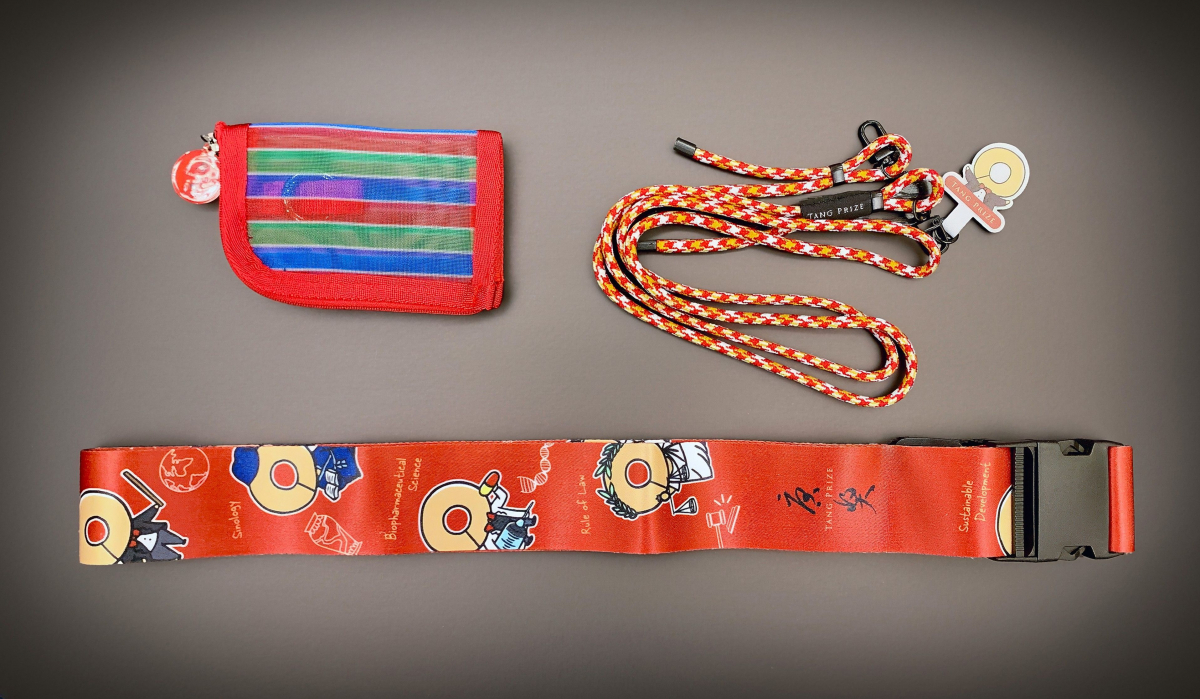
The opening coincides with the start of the 2026 Taiwan Science Festival, bringing an added sense of discovery and fun to the exhibition experience. Visitors can explore the Tang Prize Exhibition while enjoying the festival’s science-themed markets and theatrical performances, connecting ideas from academic research with everyday life. The Tang Prize Foundation and the National Science and Technology Museum have also organized a stamp-collection prize draw. Visitors who scan the QR code on the stamp card and complete the online survey for the 2026 Tang Prize Exhibition will have a chance to win exclusive, limited-edition Tang Prize gifts, including key pouches inspired by traditional Taiwanese striped shopping bags (known as gaji bags), practical phone straps, and luggage straps for travel.
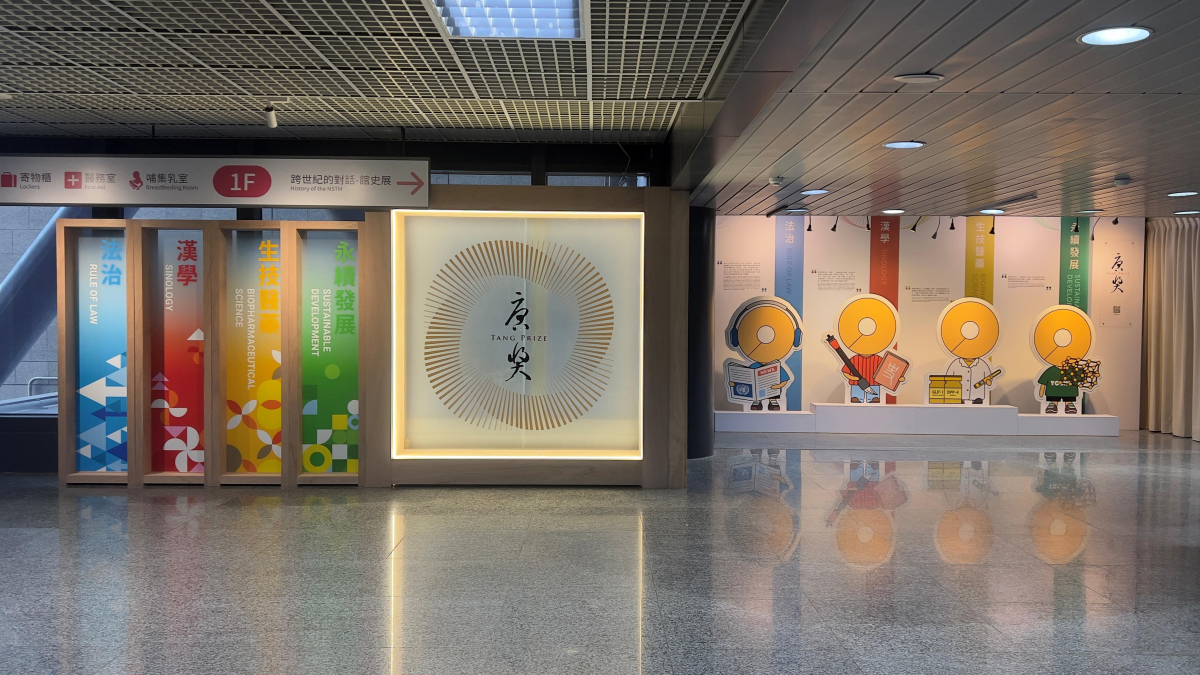
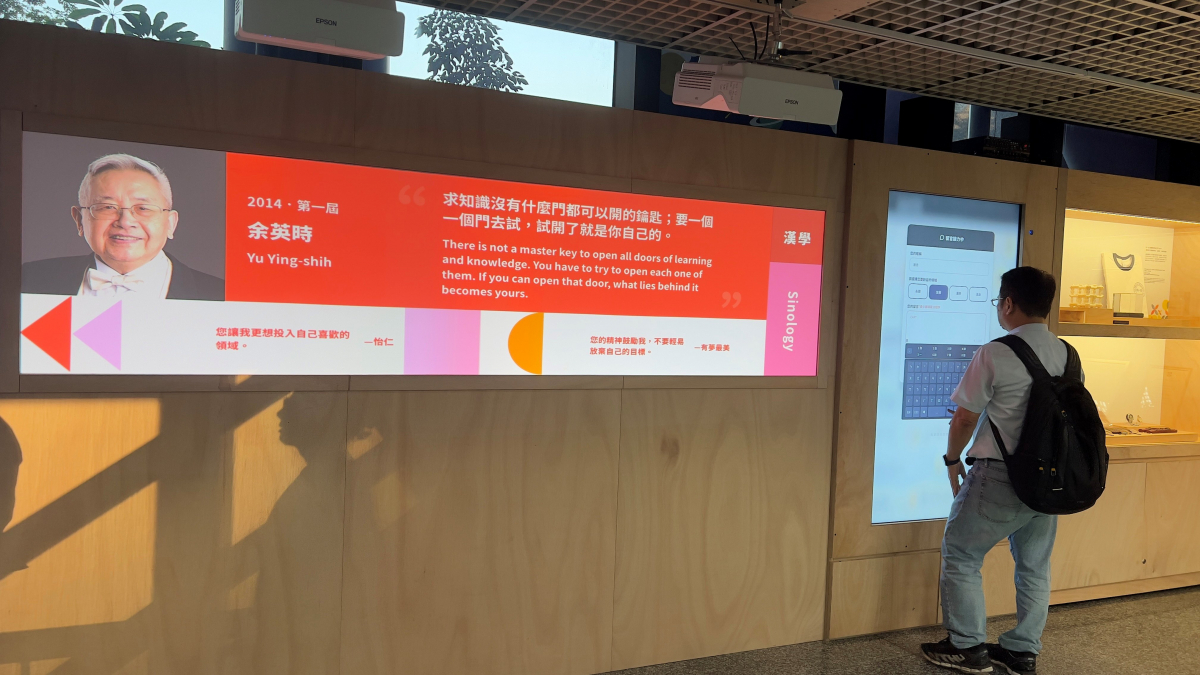
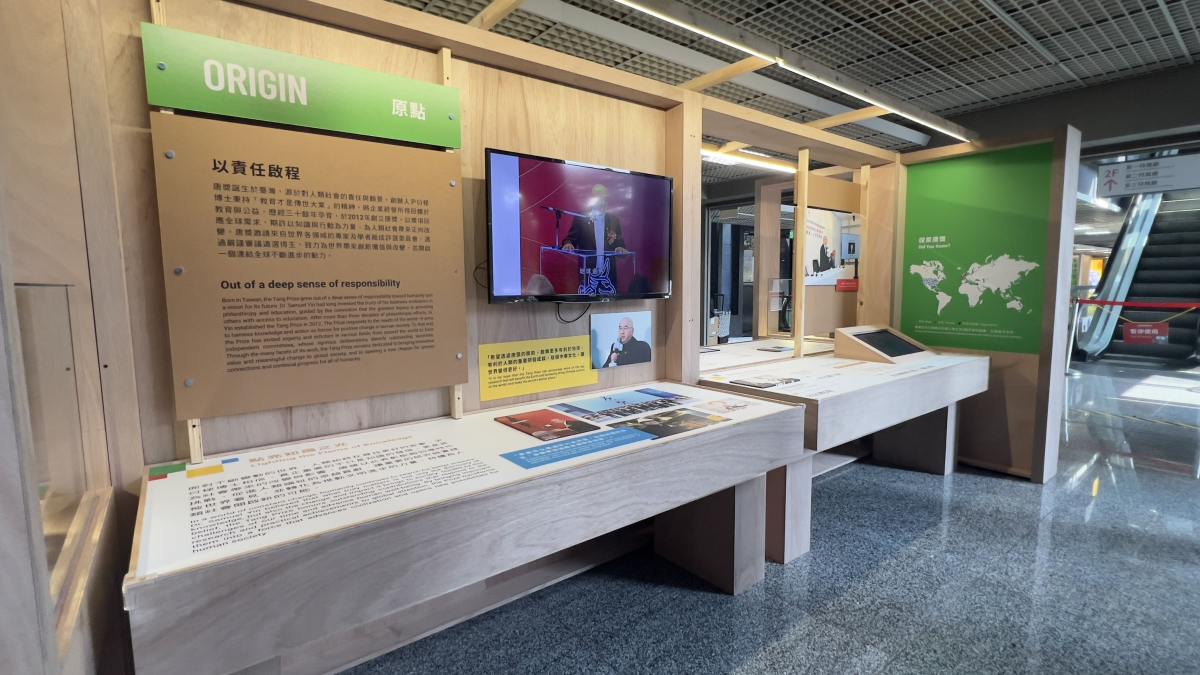
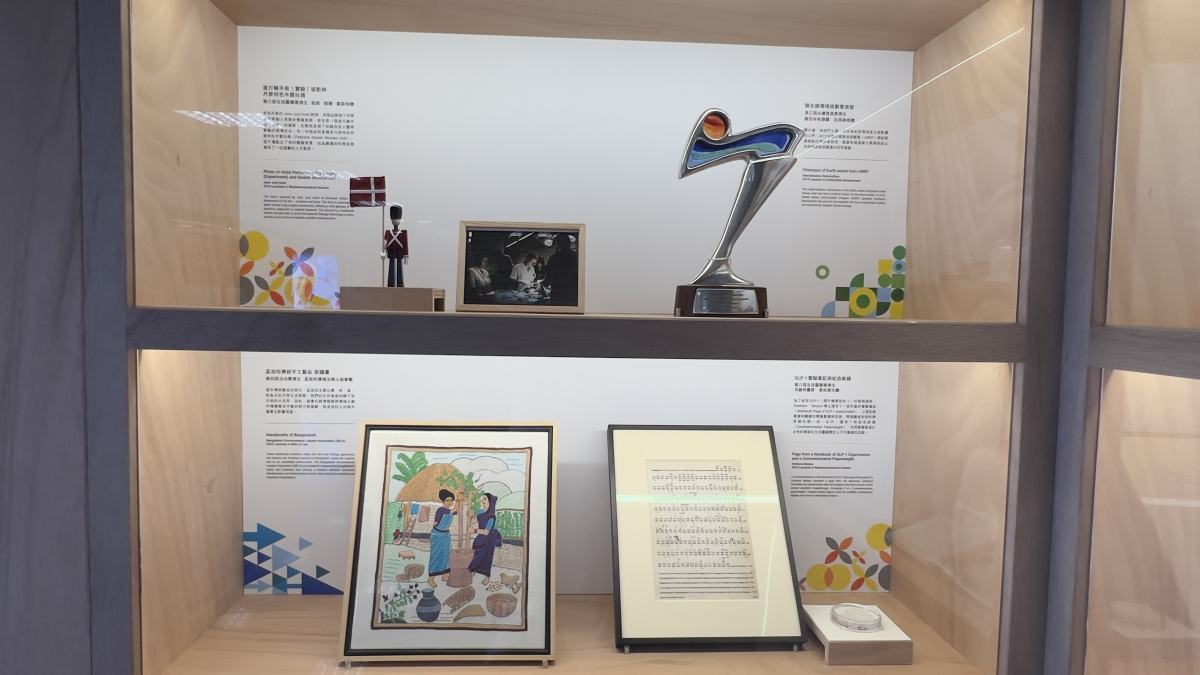
Tang Prize Foundation CEO Dr. Jenn-Chuan Chern noted that this year’s exhibition, themed “Illuminating the World Through Knowledge,” takes a fresh curatorial approach that brings together the spirit of the Tang Prize and laureates’ contributions, highlighting the power of knowledge to inspire action toward a better future. One of its defining features is the new digital Tang Prize Knowledge Hub, which, for the first time, brings together the achievements and contributions of laureates from the first seven editions of the Prize. Interactive touchscreen kiosks present their work by category, while a large co-creation projection wall measuring nearly 115 inches brings memorable quotations from the laureates together with messages left by visitors, creating an engaging interactive experience. Under the “Islands of Wisdom” curatorial concept, the exhibition features five themed zones: Core, Sustainable Development, Biopharmaceutical Science, Sinology, and Rule of Law. About half of the exhibition content is devoted to profiles of the 2026 laureates, their award-winning contributions, and their published works. Also on display are more than 14 treasured items donated by laureates, each holding special personal significance, along with a dedicated section commemorating Tang Prize Founder Dr. Samuel Yen-Liang Yin.
Through innovative technology and interactive design, the Tang Prize Exhibition seeks not only to showcase the laureates’ globally influential achievements, but also to make a wide range of knowledge accessible within a compact exhibition space. By presenting these ideas in engaging ways, the exhibition hopes to spark curiosity among visitors from all backgrounds and inspire creative approaches to improving people’s lives. Visitors from across southern Taiwan, especially students, are warmly invited to explore the exhibition and experience the power of knowledge firsthand.
About the Tang Prize
Since the advent of globalization, humanity has enjoyed unprecedented benefits from advances in civilization and science. Yet a multitude of challenges, including climate change, the emergence of new infectious diseases, the widening wealth gap, and moral degradation, have surfaced along the way. Against this backdrop, Dr. Samuel Yin established the Tang Prize in December 2012. The Prize consists four award categories: Sustainable Development, Biopharmaceutical Science, Sinology, and Rule of Law. Every two years, four independent and professional selection committees, comprising many internationally renowned experts, scholars, and Nobel laureates, select recipients who have made innovative, substantive contributions and generated a far-reaching impact on the world, regardless of race, nationality, gender, or religion. A cash prize of NT$50 million (approximately US$1.6 million) is allocated to each category, with NT$10 million (approximately US$320,000) of it being a grant intended for research or educational outreach programs to encourage professionals in every field to examine mankind's most urgent needs in the 21st century, and become leading forces in the sustainable development of human society through their outstanding research outcomes and active civic engagement.